Featured Authors
Ukrainian SF has undergone radical transformations over a century — shaped by political ideology, industrialisation, oppression, and cultural revival. These four writers represent pivotal moments in that journey: from naive techno-communism to existential postmodernism.
Writers Who Shaped Ukrainian Sci-Fi
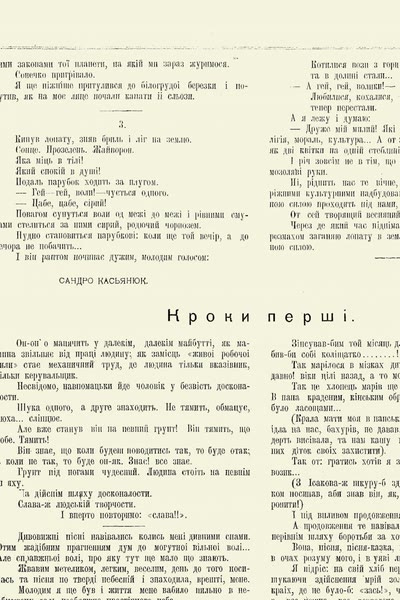
Factory worker at Kharkiv's Elektrosila plant who became the first known Ukrainian science fiction writer — celebrating machines as living comrades of the proletariat.
Read biography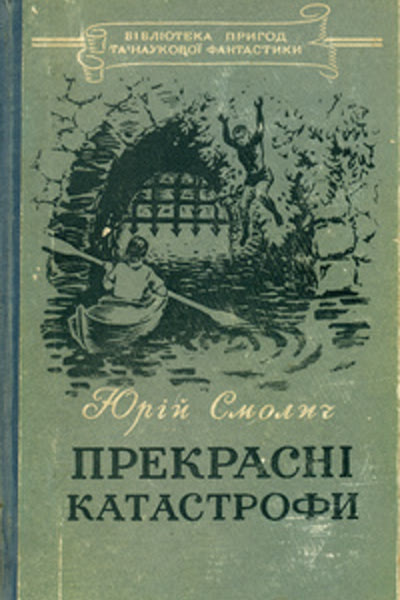
Kharkiv novelist whose Beautiful Disasters trilogy founded Ukrainian science fiction — written by a man who was, for decades, also a recruited NKVD/KGB informant.
Read biography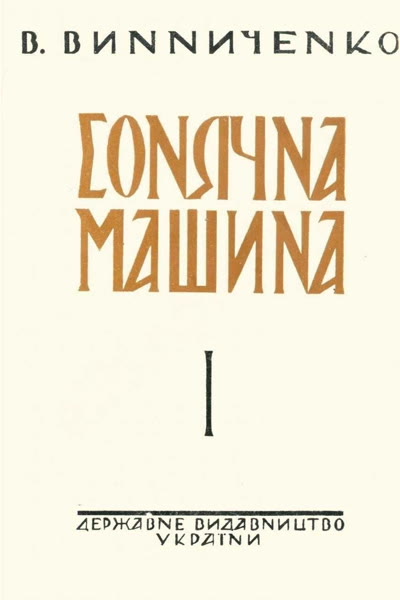
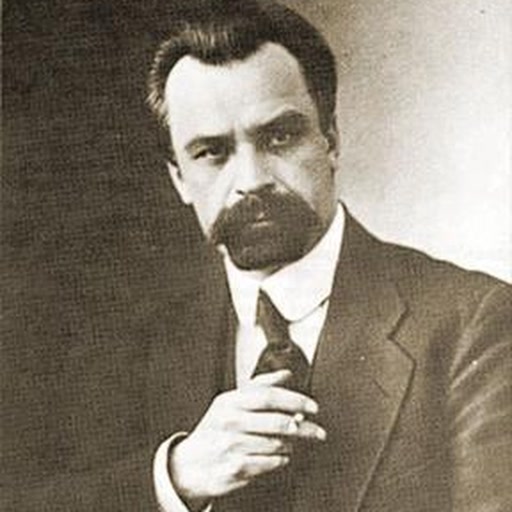
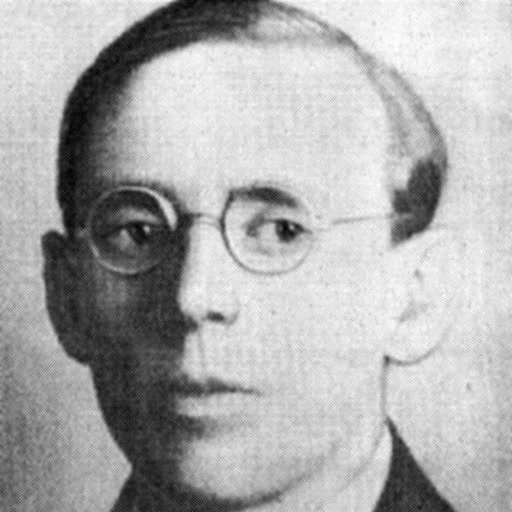
Head of the first twentieth-century Ukrainian government, twice defeated, who staged his own political disillusionment in the techno-utopian novel The Sun Machine (1928).
Read biography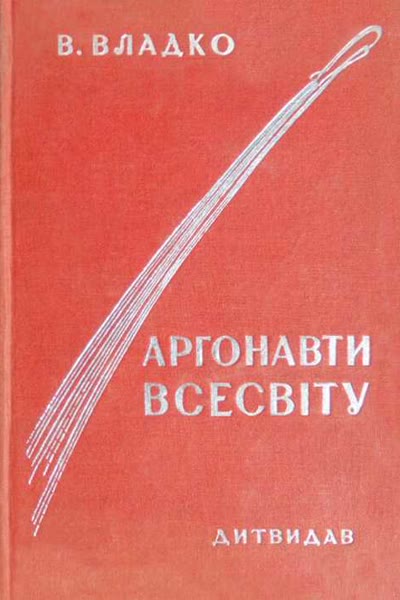
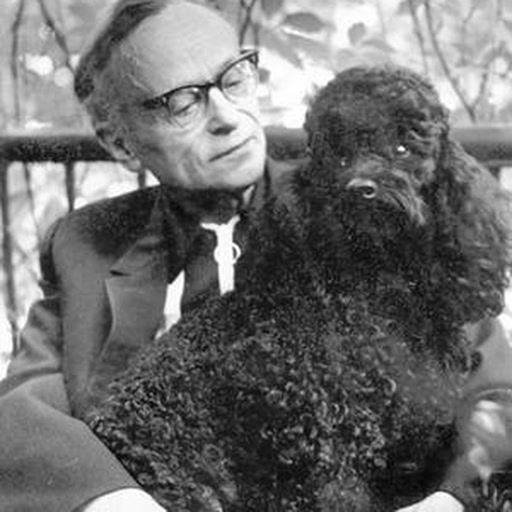
Ukrainian science fiction's first genre specialist — dubbed the "Ukrainian Jules Verne" — whose Argonauts of the Universe sent a Soviet crew to Venus.
Read biography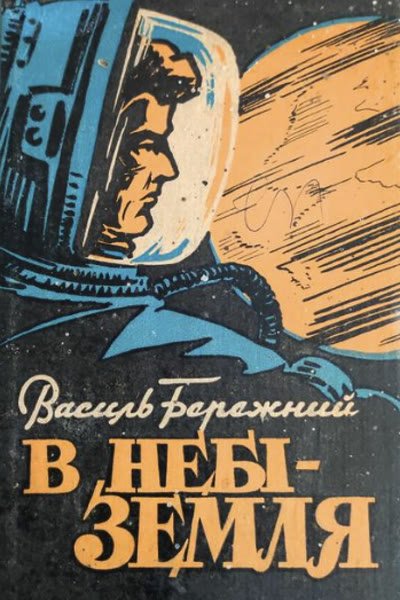
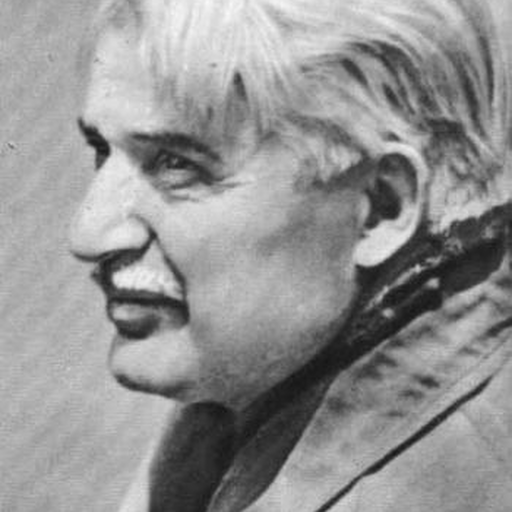
Journalist, war veteran, and prolific SF novelist whose debut To the Starry Worlds (1956) sold 165,000 copies — a leading figure in Soviet-era Ukrainian space fiction.
Read biography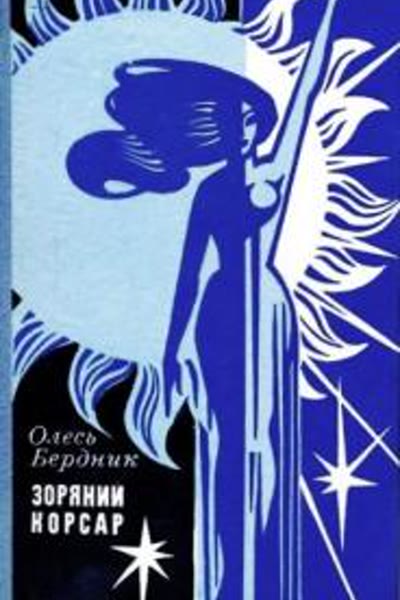
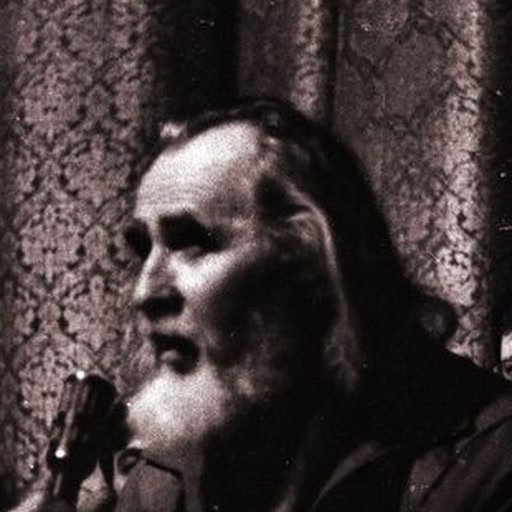
Camp survivor, Helsinki Group co-founder, and "hippie-cosmist" whose bestselling Star Corsair (1971) broke decisively with Soviet techno-communist utopia.
Read biography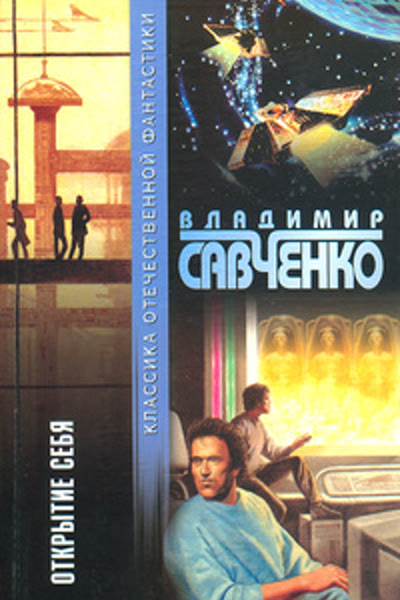
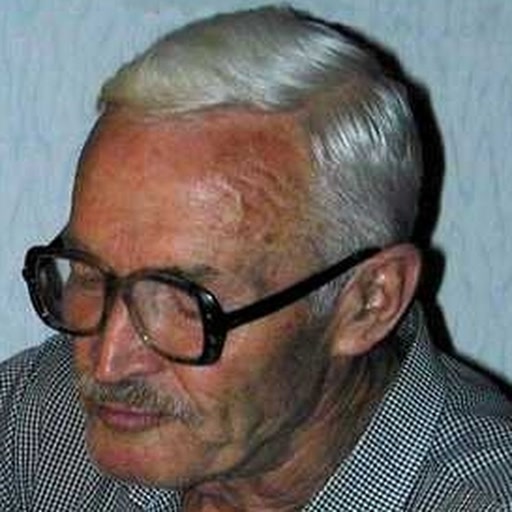
Engineer-turned-novelist whose Self-Discovery (1967) dramatized cloning and identity decades before Western philosophy caught up with the same questions.
Read biography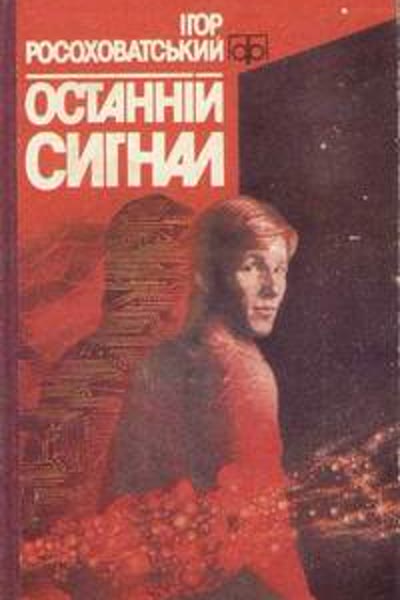
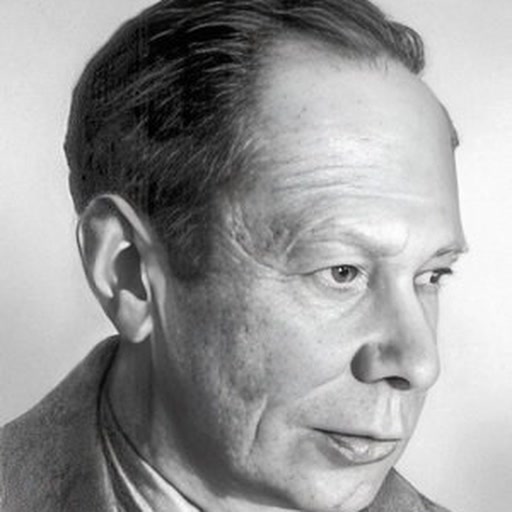
Science journalist who invented the "syhom" — a synthetic post-human — and gave Ukrainian SF its first serious engagement with machine ethics and AI alignment.
Read biography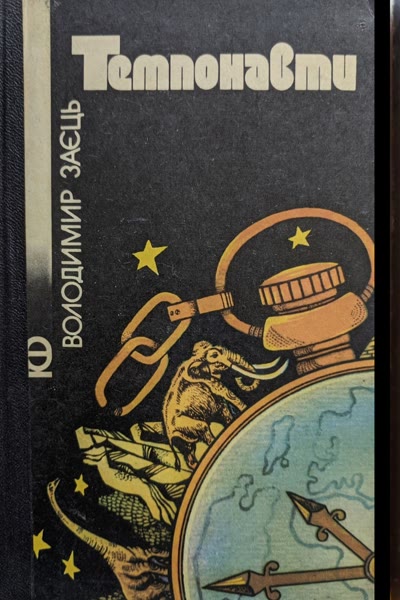
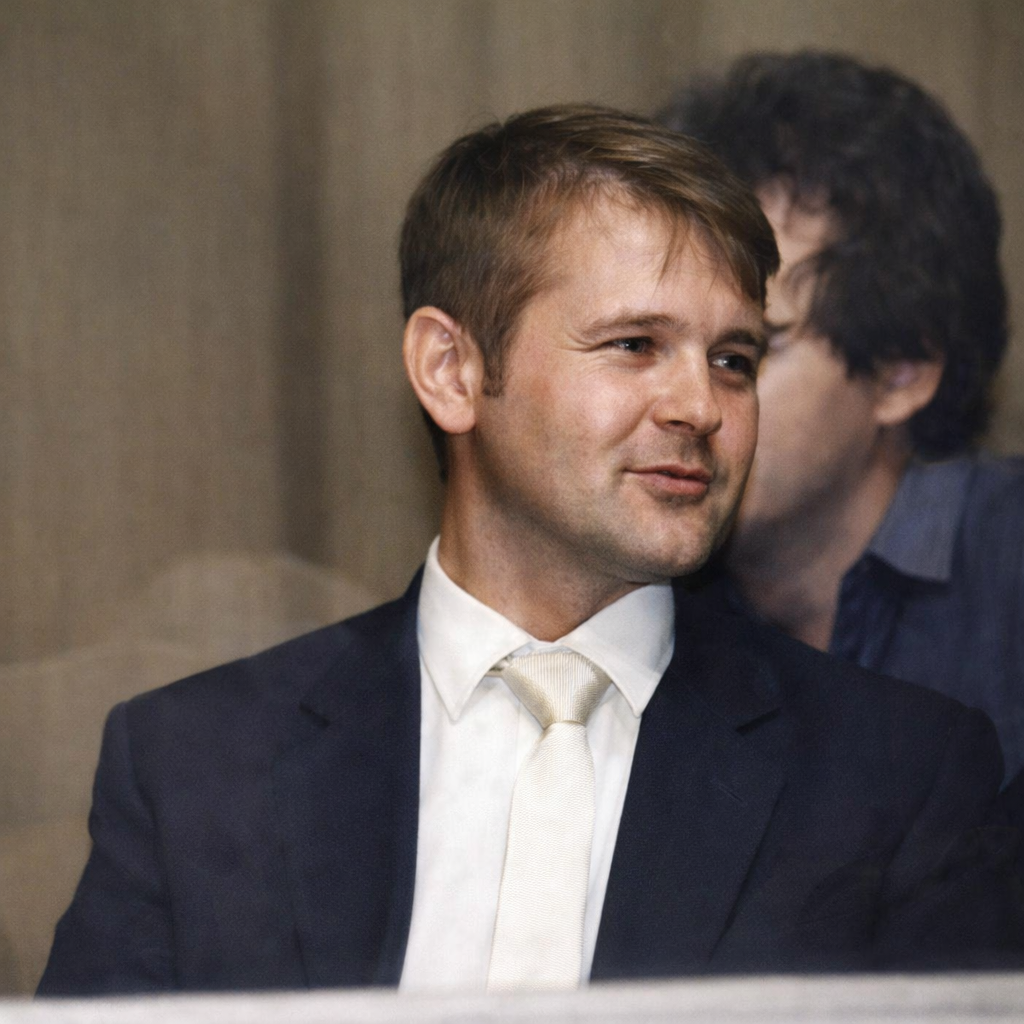
Pediatrician by day and satirical SF writer by night — master of unexpected plot twists and philosophical paradoxes. Died under mysterious circumstances in Yemen.
Read biography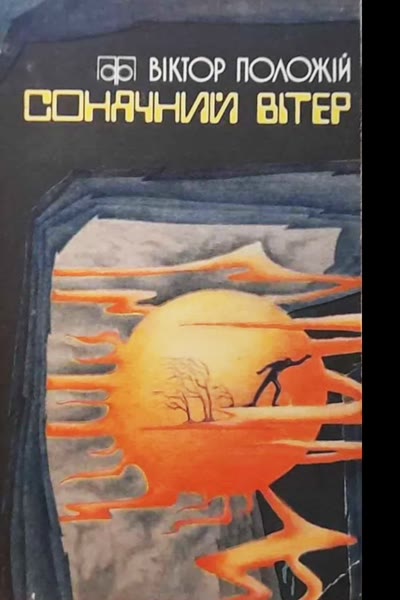
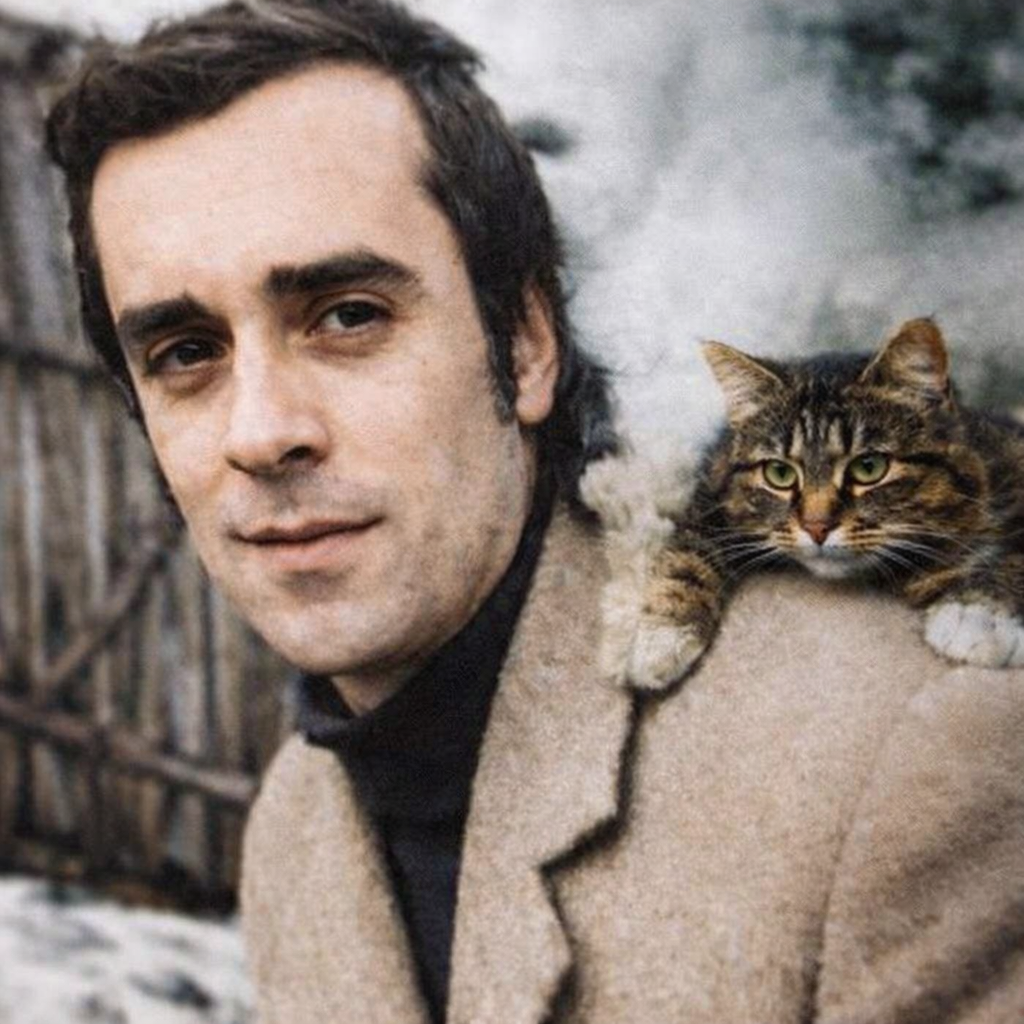
Philologist, literary critic, and SF writer whose collection Solar Wind exemplifies the Golden Age of Ukrainian SF — paradoxical, humorous, and deeply philosophical.
Read biography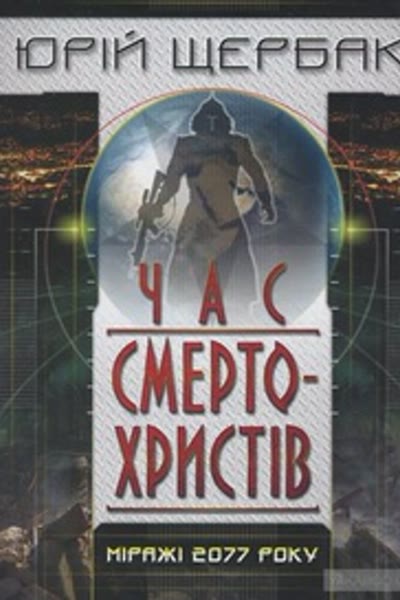
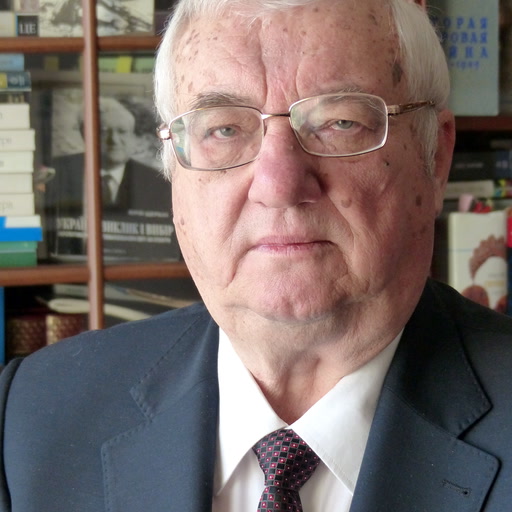
Physician, Chornobyl-era ecologist, and ambassador on four continents who returned to fiction in his late seventies with a near-future dystopian trilogy.
Read biography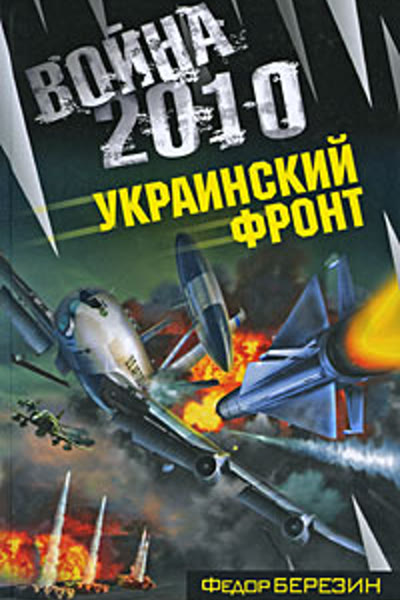
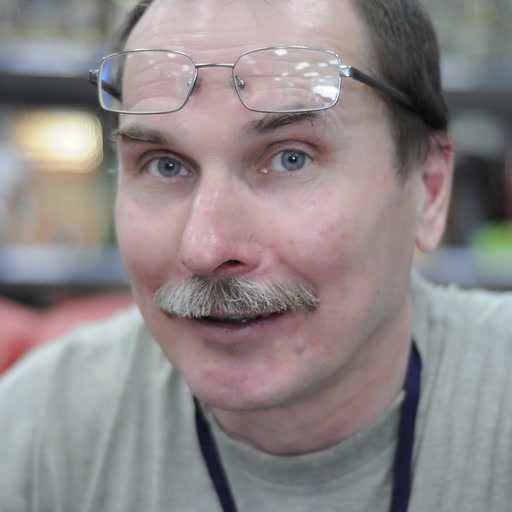
Former Soviet missile officer whose "future war" novels rehearsed a Russia-Donbas conflict years before 2014 — when he stepped into that war himself.
Read biography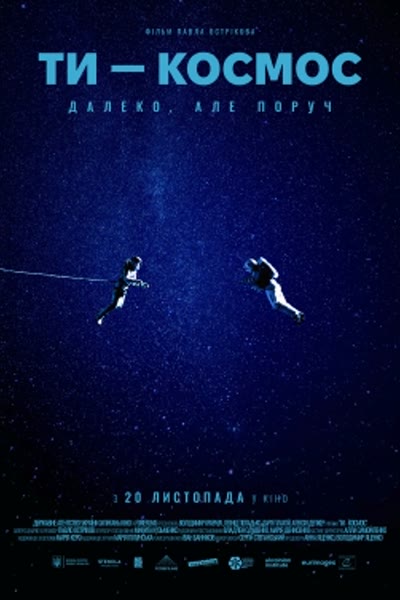
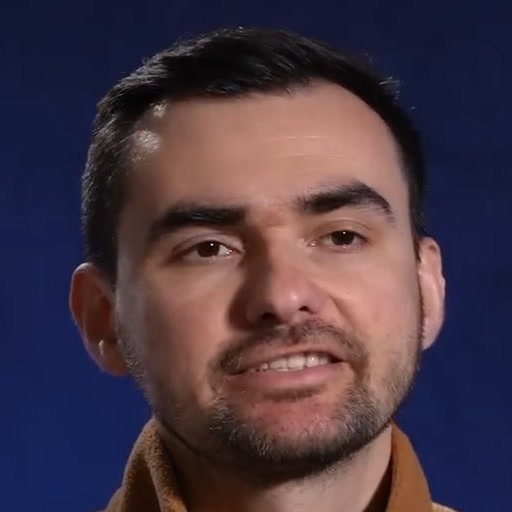
Director of U Are the Universe (2024), a Ukrainian-Belgian space romance that oscillates between irony and sincerity — Ukrainian SF's newest, most metamodern voice.
Read biographyA Century of Ukrainian Science Fiction
The fiction of the 1920s–30s promoted techno-communism — the conviction that technology alone would deliver a classless utopia. Sandro Kasyanyuk made machines the comrades of the proletariat; Yuriy Smolych gave the genre its first serious trilogy while informing on his colleagues for the secret police; Volodymyr Vynnychenko, writing in exile after twice losing power, granted humanity abundance and then asked what people actually do with it.
By the 1940s–1950s, Ukrainian SF narrowed into what Soviet criticism itself called "near-target" fiction. Vasyl Berezhnyi was its most widely read practitioner — and his own career became the clearest record of techno-communism's exhaustion, ending thirty years later in bitter irony.
The 1960s produced two opposite exits from the same collapse. Oles Berdnyk answered it with mystical nationalism, a local variant of hippie cosmism reached with almost no contact with the West; Volodymyr Savchenko answered it with analytic scepticism, dramatizing identity and machine agency decades ahead of Western debate. Ihor Rosokhovatskyi meanwhile built a cycle around synthetic beings that reason past their makers' corrupted instructions — anticipating what is now called the AI alignment problem.
The 1970s–80s brought a Golden Age freer of heavy-handed propaganda. Volodymyr Zayets, a pediatrician, diagnosed the hollowing-out of Soviet hierarchies with a clinician's eye, reinventing postmodern devices without ever reading the theory; Viktor Polozhyi, an insider at the Dovzhenko Film Studio, smuggled existentialist material into ostensibly orthodox fiction.
After 1991 the genre turned outward. Yuri Shcherbak drew on decades as physician, ecologist and ambassador to write a geopolitical dystopia; Fedor Berezin's "future war" novels became a rehearsal for his own role in the war in Donbas; and Pavlo Ostrikov's film U Are the Universe (2024) brought a metamodern sensibility that oscillates between irony and sincerity rather than choosing either. Across a century, Ukrainian SF tracked the fate of positivism itself — from science as a religion promising happiness to science as a tool whose value depends entirely on who holds it.